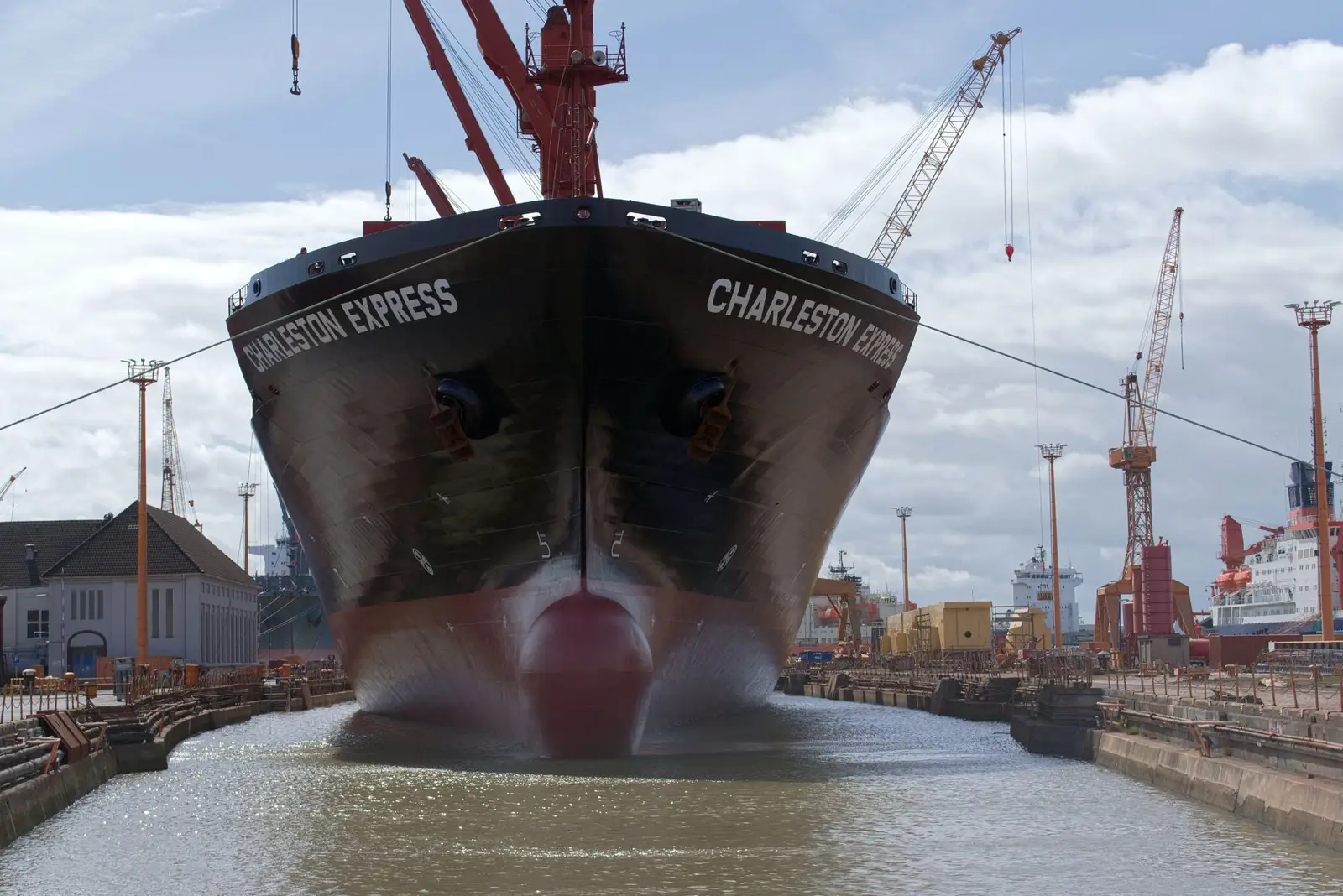
Pre-Purchase Ship Inspection & Vessel Condition Survey: Know the Real Ship Before You Buy, Sell or Charter
A pre-purchase ship inspection, also called an S&P inspection or vessel condition survey, is an independent onboard survey of what a vessel is really like today. Master Mariners and Chief Engineers spend 1 to 2 days on board surveying hull, machinery, cargo, safety and navigation systems, test the class, PSC and maintenance records against what they see, and deliver a photo-backed report with every defect graded and CAPEX context for your negotiation, charter or budget.
- S&P inspection
- Pre-purchase survey
- Vessel condition survey
- 0-100 condition score
- Hull & machinery
- Class & PMS records
- CAPEX estimates
- 1 to 2 days on board, report typically in 2 to 3 days
- Independent, no brokerage or commercial stake
- 0-100 condition score with photo-backed findings
Track record
Paperwork describes a ship. Only an inspection shows her condition.
Whether you are buying, selling, chartering or managing, the question is the same: what is this vessel like to own and operate in her present state? Survey dates, a tidy engine room and a recently updated PMS do not answer it.
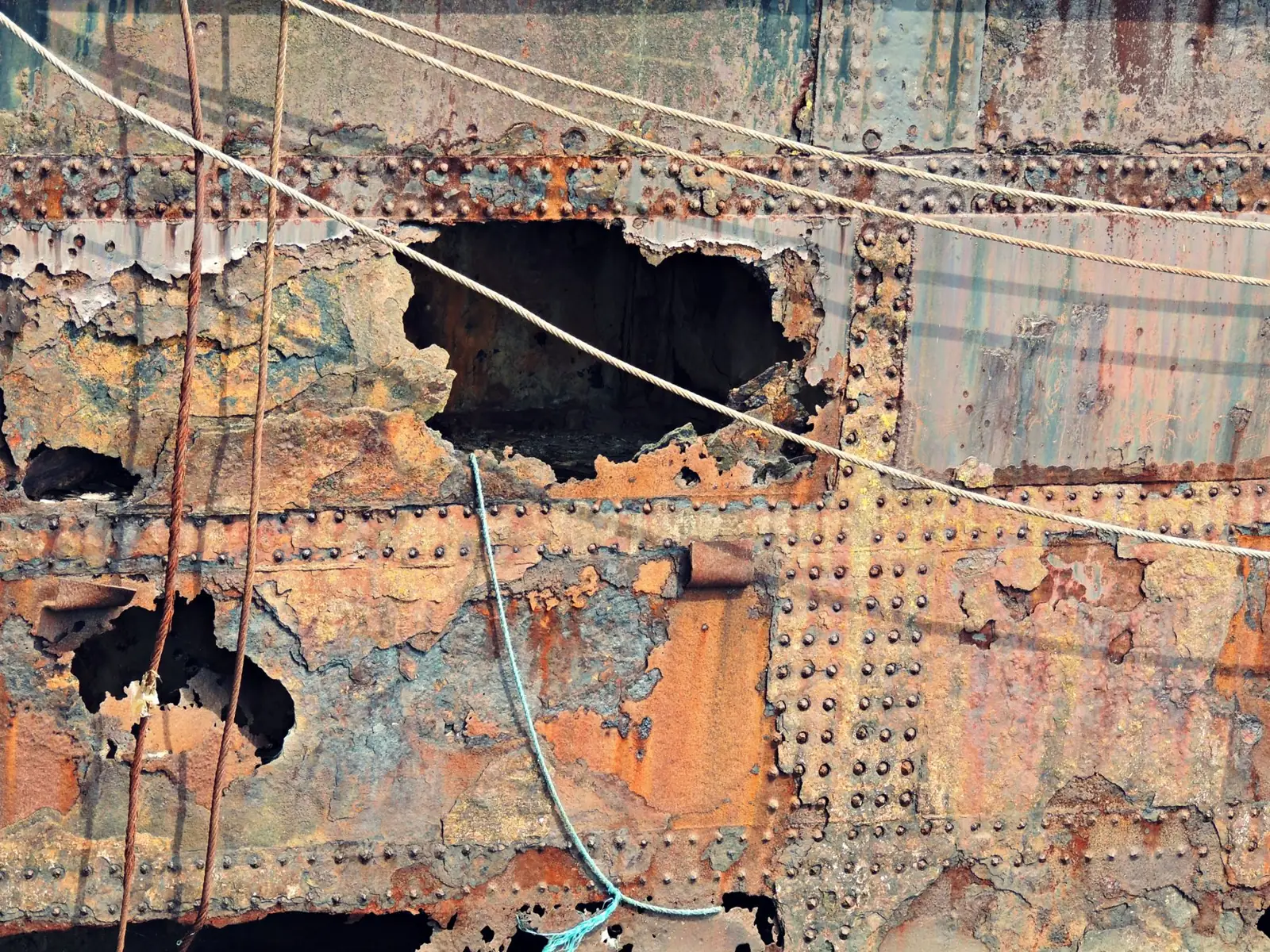
A ship offered for sale has been prepared to be looked at. Fresh coatings can hide wastage, leaks and doubtful steel in tanks, voids and cargo spaces.
Survey records confirm requirements were met on past dates. They are not a statement of how the hull and machinery stand today.
A maintenance system brought up to date just before sale or handover reads very differently from one that has been worked consistently.
Detentions, deficiencies and vetting observations follow the ship to her next owner or charterer and shape where she can trade.
Compliance gaps on board are a cost and an operational risk, whoever owns, manages or charters the vessel.
What deciding without an inspection can cost
The most expensive surprise in shipping is the one found after the price is paid or the charter is fixed.
- Post-delivery CAPEX
Steel renewal, machinery overhauls and overdue equipment replacement land on your budget instead of in the seller's price.
- Conditions of class carried over
Outstanding recommendations and memoranda become your problem, often with a deadline already running.
- Charter and trading problems
Tonnage taken on without a condition check can become a PSC, vetting or terminal-acceptance issue part way through a contract.
- No leverage, no plan
Without graded findings and cost context, price talks and dry-dock budgets rest on "the vessel seems fine".
What the inspection covers and what you receive
A physical survey of the ship and a critical review of her records, reported in a form principals, superintendents and brokers can all act on.
Hull and structure
Hull, decks, coatings, corrosion and wastage, including ballast tanks, voids and cargo spaces as safely accessible, with thickness gauging through class-approved firms where it is in the agreed scope.
Machinery
Main and auxiliary engines, boilers, pumps, steering gear and power generation, observed running wherever the vessel's programme and the owner permit.
Cargo, safety and navigation systems
Cargo handling equipment for the vessel type, safety and fire-fighting equipment, and navigation and communication systems.
Class, PMS and compliance records
Class survey status, conditions of class, memoranda, certificates, PSC history, the maintenance records behind the PMS, and ISM, MARPOL and MLC checks.
Numeric condition score (0-100)
An overall score from 0 to 100, with sub-scores for hull and structure, machinery, cargo systems, safety and navigation, and records, so vessels can be compared at a glance.
Severity-graded, photo-backed findings
Every defect rated by severity and urgency and supported by photographs, grouped by system so you can see where the problems sit.
CAPEX and time estimates
Repair cost ranges and timeframes for cost-significant defects, with assumptions stated so your team can adjust them for price, charter or budget decisions.
Executive summary and secure sharing
A summary a principal or board can read in minutes, and secure online sharing of the report with authorised brokers, lenders, insurers and financiers.
Remote desktop review of records
When attendance is not possible, a remote review of class, PSC, PMS and certificate records, with the limits of a records-only view stated clearly.
How a pre-purchase inspection works, in four steps
We plan attendance around the vessel's trading programme, so the deal or the charter is not lost to logistics and the ship rarely needs to stop work.
- 1
Share vessel details
Send the vessel particulars, position, timeline and purpose: purchase, sale preparation, charter or a check on your own fleet. For S&P we provide an access request list you can pass to the broker.
- 2
Onboard inspection (1 to 2 days)
A senior surveyor attends during a port stay, cargo operation or anchorage window and inspects hull, machinery, cargo, safety and navigation systems.
- 3
Technical evaluation
Findings are graded by severity, cross-checked against class, PSC and maintenance records, and cost-significant defects are given CAPEX and time estimates.
- 4
Report delivery
You receive a clear, photo-backed report with a 0-100 condition score and an executive summary, ordered by commercial significance. Key findings can be shared ahead of the full report when a deadline is pressing.
The onboard inspection takes 1 to 2 days, depending on the vessel and the access available, and the report typically follows in 2 to 3 days. Ballast tanks and cargo spaces may be limited during operations, and machinery is best seen running. Where a space cannot be safely inspected, the report says so rather than glossing over the gap.
Why buyers, sellers and managers choose Synergetic
Our surveyors have run ships and answered for their condition, and they have no interest in which way the decision goes.
Fully independent
No brokerage or commercial stake in the transaction or charter. The report says what the vessel is, whichever way that cuts.
Master Mariners and Chief Engineers
Senior seafarers and marine engineers who know where a presented ship and a well-managed ship differ, and what the difference costs.
Surveyors worldwide
Global surveyor coverage means we can attend where the vessel is, and the report typically follows 2 to 3 days after the inspection, to fit your deal or charter timeline.
Comparable, repeatable grading
One severity scale and a 0-100 condition score, so you can compare candidate vessels side by side or track one ship over time. A sample report is available on request.
Decisions made on condition, not presentation
Buy from strength
A severity-graded defect list with CAPEX context turns findings into a negotiating position measured in money.
Sell on your terms
Owners who inspect before marketing can rectify or disclose deliberately, instead of under a buyer's leverage.
Charter and benchmark with confidence
Check tonnage before fixing, take over new vessels with an honest baseline, and see which ships in your own fleet need attention and budget first.
Who a pre-purchase inspection is for
For ship buyers and sellers, S&P brokers, charterers, lenders, insurers and financiers, and owners and technical managers checking their own fleet. We inspect every merchant ship type.
- Oil tankers
- Product tankers
- Chemical tankers
- LNG carriers
- LPG carriers
- Bulk carriers
- Container ships
- Car carriers
- General cargo ships
- Multipurpose ships
Trusted by 70+ ship owners and managers
ISO 9001:2015, ISO 27001:2022 and CMMI Level 3. Our DigiMoor X7 and Work-Ship software are approved by Class and RightShip.
- 3,100+ ships use our software and services every year
- 100% client retention
Preferred by the World's Leading Ship Owners and Managers
With 100% client retention since inception, we're trusted by LNG, LPG, Oil, Chemical, Bulk, Container & Specialized Fleets globally.
























Keep the condition you have measured
Once the deal closes or the findings are in, Marine X7 turns them into planned maintenance, tracked inspections, certificates and dry-dock specifications, so defects are closed rather than filed.




Learn more about pre-purchase inspection
Questions about pre-purchase inspection
Tell us about your fleet and we will answer directly.
Talk to a Master MarinerWhat is a pre-purchase ship inspection?
A pre-purchase ship inspection, or S&P inspection, is an independent onboard survey of a vessel's present condition before you buy her. Synergetic's Master Mariners and Chief Engineers inspect hull, machinery, cargo, safety and navigation systems, review class, PSC and maintenance records, and report severity-graded defects with photographs and CAPEX estimates.
How long does a pre-purchase inspection take?
The onboard inspection takes 1 to 2 days, depending on the vessel and the access the owner allows, and the report typically follows in 2 to 3 days. Attendance is planned around her trading programme, usually during a port stay, cargo operation or anchorage window, and key findings can be shared early when a deadline is pressing.
Is a pre-purchase inspection different from a vessel condition survey?
They use the same survey and the same grading, so we offer them as one service. The difference is purpose. A pre-purchase or S&P inspection is shaped around a deal, with negotiation-ready defect and CAPEX detail. A vessel condition survey serves pre-charter checks, takeover baselines, sale preparation and benchmarking of your own fleet.
What does the inspection report include?
It opens with an executive summary and a 0 to 100 condition score with sub-scores by area. It then lists defects graded by severity and urgency, photographs of every significant finding, CAPEX and time estimates for cost-relevant defects, and a records review of class status, certificates, PSC history and maintenance records.
How are defects graded?
Every finding is rated on one consistent scale: safety- or compliance-critical items needing immediate attention, significant defects with near-term cost or operational consequences, and lower-grade observations for maintenance planning. Each carries photographic evidence, and cost-significant items include CAPEX and time estimates, so vessels can be compared side by side.
What access do we need to arrange?
Standard access is boarding with a safe escort, sight of class records and certificates, entry to machinery spaces and accommodation and, as agreed, ballast tanks, void spaces and cargo holds or tanks where safely accessible. Seeing machinery running adds real value. For S&P inspections we provide an access request list for the broker or seller.
Do you inspect for sellers as well as buyers?
Yes. A pre-sale inspection tells an owner what a buyer's surveyor is likely to find while there is still time to rectify defects economically or disclose them deliberately. Sellers who inspect first can defend their price with evidence, and the report is equally independent whichever side commissions it.
Why not rely on class records alone?
Class records confirm that a vessel met survey requirements on specific past dates, within class scope. They are not a statement of present condition and say little about maintenance between surveys or how equipment actually runs. An independent inspection checks the ship as she is today and reads the records critically alongside it.
Talk to our Master Mariners and Marine Engineers about the vessel
Tell us the vessel, where she is, your timeline and whether you are buying, selling, chartering or checking your own fleet, and we will propose an inspection scope and attendance plan.
Let's Enhance Your Maritime Compliance
and Operational Safety
Connect with our experts to explore how Synergetic's powerful digital solutions can elevate your fleet's compliance, streamline inspections, and strengthen operational safety — backed by real-time data insights and seafarer-driven innovation.
Why Maritime Leaders Choose Synergetic:
- Class and RightShip accredited solutions aligned with OCIMF, TMSA, DRYBMS, and Flag requirements

- Smart AI Powered analytics delivering instant compliance insights and audit-ready documentation
- Proven track record across 3,100+ ships every year and multiple compliance frameworks
- Continuous innovation led by seafarers, auditors, and maritime data specialists
For direct enquiries, reach out to [email protected]
We're Ready When You Are – Let's Talk
Please complete the form and our team will get back to you shortly with personalized support.